smartflymiqi Arm Board Rk3288 Quad-core A1718ghz X4 Review
MiQi RK3288 Review: ASUS Board Tinker Alternative
The MiQi is a Single Board Figurer-designed for hobbyists and professionals who are looking for a community-supported hardware development platform at depression-cost with high-level functioning, capable of running pop operating systems such as Android five.1, Ubuntu and Debian.
Board specifications include a powerful RockChip RK3288 processor running at a clock speed up to 1.half dozen GHz, Mali-T764 GPU, 2GB RAM, 16GB eMMC Flash, x4 USB Ver 2.0 Host Ports, a Gigabit Ethernet and HDMI V2.0 interface capable of playing videos at a max resolution of 3840×[email protected] That said, the MiQi Board Kit is currently sold for a retail toll of $65 (Including shipping) and available in the link below:
Purchase It on Aliexpress

MiQi Review Focus:
- Product summary
- Specifications.
- MiQi Overview / Review
- Package Content
- A Closer Look at the MiQi Board
- Software Support
- Benchmarks
- Final Words
- Pros / Cons
MiQi board specifications:
- SoC – Rockchip 3288 quad-core ARM Cortex A17 upwards to 1.8 GHz with Mali-T764 GPU supporting OpenGL ES i.1/2.0 /three.0, and OpenCL 1.1
- System Memory – 2G DDR3
- Storage – 16GB eMMC flash + micro SD slot
- Video & Sound output – HDMI 2.0 upward to 3840×[email protected]
- Connectivity – Gigabit Ethernet
- USB – 4x USB two.0 host ports, 1x micro USB port
- Debugging – Serial panel header
- Expansion Headers – 16-pin header, and 12-pin header but details are not known.
- Misc – Button, unpopulated fan header
- Power Supply – 5V 2A via micro USB port
- Supported Os: Android 5.one.ane, Phoenix OS (Android five.i.one), Debian viii/nine, Ubuntu 16.04, Armbian
- Dimensions – 85 x 56 mm (PCB)
MiQi Overview/ Review
Package Content:
- 1x MiQi Lath
- 1x Micro USB Cable
- 1x Heatsink
- 1x Metal Instance
- 1x 30 mm Fan (assembled within Case)

Accessories
The case included in the kit is a metal made with external measurements of 102 x 59 mm, composed of ii separated sheet-metal parts curve at 90 degrees, strengthen with two small Philips screws that tin can easily disassemble and reassembled.
MiQi Case
MiQi Board inside The Example
A Closer Wait at the MiQi Board
Although the MiQi hardware is strong, I had a few bug or issues related to the design of this board. If we disregardthe fact that this board only has Ethernet LAN and no onboard WiFi module it doesn't take any reset, ability buttons, or external camera and display interfaces that tin limit developers. Because there is no power push button you lot demand to leave the powered. If for some reason volition need to reboot the organisation you volition need to unplug the power adapter from the ability socket or use a socket with a born ability switch, which is non very convenient.
Another issue I had with this board, was with the 5V power GPIO FAN controller connector connected to the rear thirty mm fan. In some of the firmware's, it failed to operate due to incorrect software configuration. information technology didn't spin, or started spinning and stopped every second. The fast solution for fixing this problem is to use pins No` ane-ii in on the 14 pin GPIO header that keeps the fan spinning constantly.
For optimal cooling, you lot can utilise two fans connected to the pair of pins (Marked yellowish squares in the photo). Use the rear one, and add another on top of the Heat sink.

MiQi Board | Full view
- 16GB eMMC
- x4 512Mb RAM (2GB RAM)
- 12-pin expansions header
- UART Debug Port
- x2 USB two.0
- x2 USB 2.0
- Gigabit Ethernet
- Realtek LAN Chip
- CPU
- HDMI two.0
- 16-pin expansion header
- OTG
- Fan power Interface
- Micro-SD Slot (On the Back)
Front end view

Rear view

Software Support
The MiQi hardware platform supports Android, Ubuntu and Debian OS. You can use the multi-boot Prototype containing Lubuntu and Android, or Debian and Android. It's possible to load them from the emcee and besides load the images from Micro SD Carte that is slower. If you lot need to use simply one blazon of operating organisation, loading unmarried operating system images also a proficient option to conserve actress storage space.
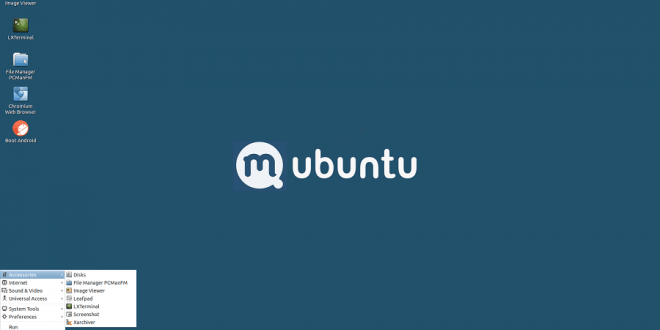
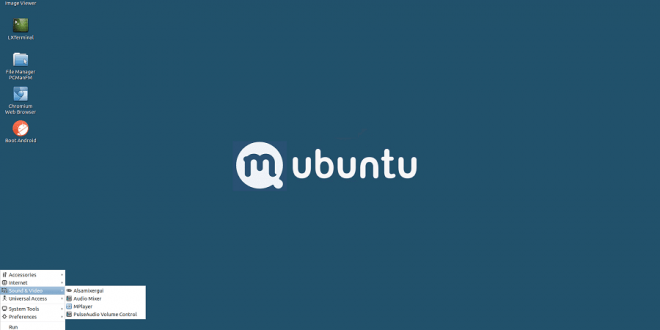
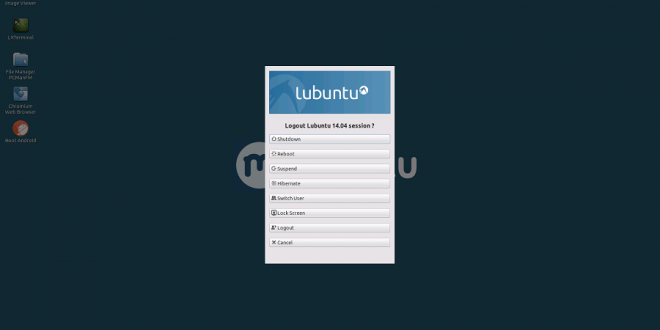
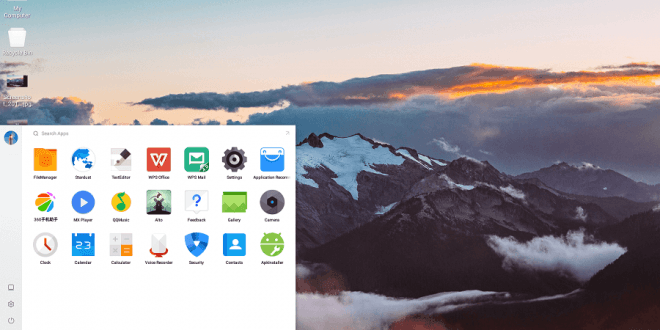
Performance under Android, Lubuntu, including Debian Bone was first-class. The Rockchip RK3288 CPU is, operating in clock frequencies from 408MHz up to 1608 MHz and with the strong Republic of mali-T764, information technology really gives a nice operation heave that certainly helps in running "heavy" Games. Much meliorate compared to depression cost $twenty-sixty SBC currently sold on the market equipped with a low-end Mali 400 MP2 GPU. That's why in my tests, at that place were no graphics lags when I moved and dragged applications windows across the desktop. The user feel was very similar to using a desktop PC / Mini PC.
Lubuntu xiv.04
Phoenix Os (Android five.1.one)
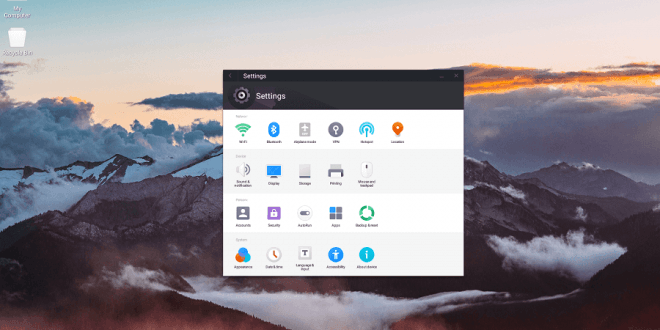
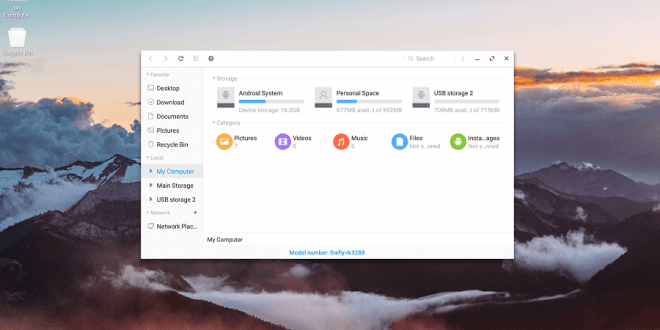
Booting from eMMC
Similar to all SBC based on Rockchip you tin can burn the firmware images using two pop Burning tools: 'Rockchip Batch Tool' and 'AndroidTool' which both run nether Windows Bone. For Linux users, the upgrade tool is also available, but both mentioned tools under the Windows environment are the easiest to use.
Booting from Micro-SD Bill of fare
Loading system files and running awarding files from SD Card is normally slower in terms of reading/writing speeds compared to storing system files on the eastMMC Fleck, only If y'all still desire to load the system Images trough the Micro-SD you tin utilize 'SDFormatter' along with 'Win32Disk Imager' that is very elementary to use.
Benchmarks
Android 5.1.1 Bone, worked very fast and stable. AnTuTu Benchmark scored 52287 which is considered a high result for a single board reckoner. The primary reason for this loftier score is the contribution of the Mali-T764 GPU that boosts full general performance, especially in 3D rendering and video decoding.
AnTuTu Criterion Results
Concluding Words
The MiQi hardware is powerful and almost identical every bit the ASUS Tinker Board, except its missing more interfaces that tin be more valuable for developers, such as MIPI CSI (Camera) and MIP SDI (Display) interfaces. For this reason, I don't define this product as a total SBC solution.
That being said, on the more positive side the MiQiperformed extremely well under Ubuntu and Android OS. If y'all don't really demand these interfaces it tin exist used as a set-top box for streaming videos, running Kodi, setting up a media sharing server, or using it as low-price Mini Ubuntu-based PC Desktop / Workstation.
Pros / Cons
Pros
- High Performance & Stability
- High-level GPU (Mali-T764)
- 16GB eMMC
- 4x USB Hosts
- MultiBoot arrangement
- HDMI 2.0 (2K & 4K Support)
Cons
- No External Camera and Display Interfaces
- No Ability and Reset Buttons
- No on-board WIFI

Source: https://www.androidpimp.com/embedded/miqi-rk3288-review/
0 Response to "smartflymiqi Arm Board Rk3288 Quad-core A1718ghz X4 Review"
Post a Comment